

Branded vs Non-Branded Search: How to Read Your Own Query Report
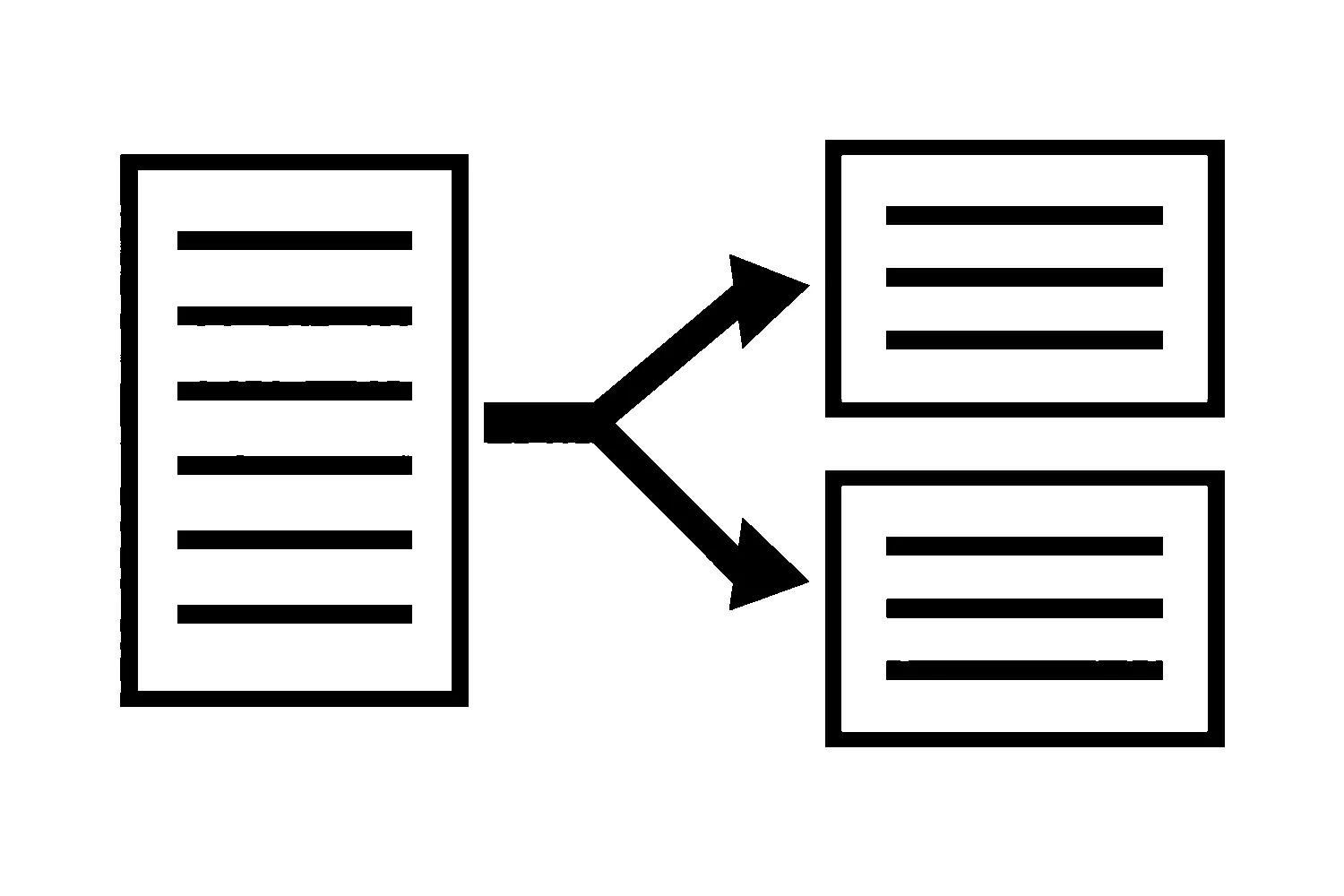
A query report can feel like a list of keywords to celebrate or worry about. It is more useful as a list of questions people asked, sorted into two piles: the ones that already include your name, and the ones that do not.
This article is about how to make that split, what each pile can and cannot tell you, and which numbers are worth acting on. It does not use data from any particular site, and it does not offer benchmarks, because the right mix depends on how well known a business already is.
Where the query report comes from
Google Search Console’s Performance report shows how your search traffic changes over time, where it comes from, and which search queries are most likely to show your site. Google’s overview of the Performance report describes the “queries” dimension as grouping your data by the search query users typed. That is the table this article is about.
Two cautions from the same documentation are worth keeping in mind. First, a query appearing in your list does not guarantee you will see your site in the results if you run that same search yourself. Second, the report is a record of what happened in search, not of what happened on your website afterward. For that you need your own analytics, and for leads you need your own records.
Splitting the report into two piles
Go down the query column and sort each row by one test: does the query contain your business name, a close variation of it, or the name of one of your own products or services as you brand it?
- Branded queries contain a brand term you have defined. They often suggest the person was already aware of the name, but that is a hypothesis, not something the query text proves.
- Non-branded queries do not contain those terms. They tend to describe a problem, a service, a place, or a category.
The split is by wording only. It cannot tell you whether the searcher was a new visitor or an existing customer, or what first made them aware of you. Someone can learn a name and search for it minutes later, and an existing customer can type a plain description of the service.
Be consistent and write down your rule. Misspellings of your name, a founder’s name, and the name of a well-known product you resell are all judgment calls. The point is not a perfect split. It is a split you can repeat next month, so the two piles are comparable over time.
If a query is ambiguous, leave it out of both piles and note it. A small unclassified pile is more honest than forcing every row into a box.
A simple workflow
- Export the query table for a fixed date range, and use the same range each time you repeat this.
- Keep a written list of your brand terms and their common variations.
- Label each row as branded, non-branded, or unclassified.
- Add up clicks and impressions for each pile.
- Work out each pile’s click-through rate as its total clicks divided by its total impressions. Do not average the row-level percentages, because a row with few impressions would count as much as a row with thousands.
What the branded pile can tell you
Branded searches tell you that someone typed a brand term. That can reflect referrals, repeat customers, advertising, or a mention somewhere, and the query alone does not say which.
Useful questions for this pile:
- When someone searches for you by name, does the right page come up?
- Do the pages those searches land on make the next step obvious?
- Did the pile change after something you know about, such as a campaign, a name change, or a seasonal gap?
What it cannot tell you is whether your SEO is bringing in new customers. A strong branded pile mostly reflects demand that already existed.
What the non-branded pile can tell you
Non-branded searches are where a business can appear in front of people whose query did not include its name. That makes this pile a better place to look for evidence that your service and location pages are being found for the problems you solve.
Useful questions for this pile:
- Which queries describe a service you actually want to sell, and which are only loosely related?
- Which pages are being shown, and do they match what the person was asking?
- Are the relevant queries sparse, or spread across many different wordings?
Sparse non-branded rows are a finding, not a failure. They may mean the relevant pages do not yet answer those questions, or that there is simply little search demand for them. The report alone cannot say which.
Reading the numbers without overreading them
Search Console reports impressions, clicks, and an average position. Google’s help page on these terms explains that average position is averaged across all queries in which your property appeared. A position figure for a single query is therefore only as stable as the number of times it appeared, so treat it with caution when the counts are small.
A few habits keep the reading honest:
- Compare like with like. Look at the same pile across the same date range, not branded this month against non-branded last month.
- Look at pages next to queries. Once you have labelled the rows, see which pages each pile points to. A manual label does not carry over when you switch the report to a different view, so filter to the queries in one pile first, or keep the query and page data together in a spreadsheet.
- Do not chase a ratio. There is no universal “good” split between branded and non-branded. A new business, a local shop, and a long-established brand will look very different.
- Connect to an outcome. A click is not a lead. Check whether the visits from each pile led to a call, a form, or a booking, using your own records.
From the split to a decision
The split earns its keep when it changes what you do. A few examples of the kind of decision it can support:
- If a branded search lands on a page that is hard to act on, fix that page first.
- If the non-branded pile contains questions you answer well elsewhere on the site, consider linking those pages together.
- If the non-branded pile is thin for a service you want to grow, decide whether the page for that service needs to be written or strengthened.
None of these are guaranteed to raise rankings or revenue. They are ways to turn a table into a short, specific to-do list.
What this article does not claim
It does not say what share of your searches should be branded. It does not say that more non-branded traffic always means more customers. And it does not use figures from any real report, because the same query table can mean different things for different businesses.
Where to go from here
If you would rather have someone read your query report with you, you can ask for a search-report review through our SEO services page, or contact us directly. For the wider measurement picture, see our guides to SEO metrics and website traffic sources.
Jeremy Johnson
Owner
Jeremy co-owns Robben Media and directs strategy for every client engagement. With a Computer Engineering degree from Missouri S&T, he brings deep technical expertise in web development, SEO, and automation. Before acquiring Robben Media in 2023, Jeremy led marketing and branch management in the mortgage industry. He believes marketing should be measured by revenue generated, not impressions reported.